


Remember when fitness trackers were glorified pedometers with fancy wristbands? I certainly do. Back in 2019, I was reviewing the latest batch of “smart” watches, and most weren’t much smarter than a calculator strapped to your wrist. Fast-forward to today, and health metrics wearables provide are so advanced they’d make a cardiologist jealous. We’re not just counting steps anymore—we’re running miniature health labs on our wrists.
After spending the last eighteen months deep-testing over 30 different wearables from Garmin, Apple, Samsung, Fitbit, and some surprising newcomers, I’ve discovered that the real revolution isn’t in the hardware—it’s in the sophisticated algorithms quietly analyzing your body’s whispers 24/7. Most users are walking around with medical-grade sensors and don’t even realize it.
The Hidden Laboratory on Your Wrist
Here’s what fascinates me about modern wearables: they’re essentially performing dozens of micro-assessments every minute, building a comprehensive picture of your physiological state that goes far beyond “Did I hit 10,000 steps today?” During my extensive testing period, I’ve tracked everything from my stress response during product launch deadlines to how my body temperature fluctuates during different seasons.
Let me walk you through ten remarkable health metrics that your wearable is likely tracking right now—some you might know about, others will genuinely surprise you.
1. Heart Rate Variability (HRV): Your Nervous System’s Report Card
While most people focus on average heart rate, HRV tells a much more sophisticated story. I’ve been monitoring my HRV data for over a year now, and it’s become my most reliable indicator of recovery and stress levels.
In simple terms, HRV measures the tiny variations between heartbeats—not the rate itself, but the spacing. When you’re well-rested and unstressed, these intervals vary more. Under stress or fatigue, they become more rigid and predictable. During my testing, I noticed my HRV would drop dramatically 24-48 hours before I’d feel physically rundown, giving me an early warning system I never had before.
The Garmin Fenix 7 and Apple Watch Series 9 showed the most consistent HRV readings in my comparative tests, though Samsung’s Galaxy Watch 6 has made impressive strides in accuracy.
2. Blood Oxygen Saturation (SpO2): More Than Just Altitude Tracking
Initially, I was skeptical about SpO2 sensors on consumer wearables. How accurate could they really be compared to medical pulse oximeters? Surprisingly accurate, it turns out. During controlled testing against a medical-grade device, most modern wearables showed readings within 2-3% accuracy.
What’s interesting is how this metric extends beyond just tracking altitude changes during mountain hiking. I’ve noticed patterns in my overnight SpO2 data that correlate with sleep quality, and some users have discovered early indicators of respiratory issues. The Garmin Venu series particularly excels here, providing detailed overnight SpO2 trends that have proven more insightful than I initially expected.
3. Skin Temperature Trends: Your Body’s Climate Report
Now, here’s where things get fascinating. Modern wearables aren’t just measuring ambient temperature—they’re tracking your baseline skin temperature and noting deviations. This isn’t about checking if you have a fever; it’s about understanding your body’s natural temperature rhythms and detecting subtle changes that might indicate stress, hormonal fluctuations, or even the early stages of illness.
During my testing with the Oura Ring 3 and Fitbit Sense 2, I tracked temperature variations across different scenarios: high-stress workdays, varying sleep schedules, and even during a mild cold. The data revealed patterns I never would have noticed otherwise. Your skin temperature typically drops before deep sleep and rises slightly upon waking—but when these patterns shift, it often signals something worth paying attention to.
4. Stress Monitoring: Quantifying the Unquantifiable
This one surprised me the most during testing. How do you measure stress objectively? These devices combine HRV data, breathing patterns, movement, and even skin conductance to create surprisingly accurate stress assessments.
I’ve been impressed with how Garmin’s Body Battery and Samsung’s stress tracking have evolved. During particularly intense work periods, my wearable would alert me to elevated stress levels before I consciously felt overwhelmed. It’s like having a calm, objective observer monitoring your nervous system and gently tapping you on the shoulder when things get too intense.
5. Sleep Architecture: Beyond Hours Slept
We’ve moved far beyond “I got 8 hours of sleep last night.” Modern wearables break down your sleep into REM, light, deep, and wake phases, creating detailed maps of your nightly recovery process.
What impressed me during months of testing was how consistent the advanced sleep tracking became across different devices. The Apple Watch Series 9, despite its shorter battery life, provided remarkably detailed sleep stage analysis. Meanwhile, devices like the Garmin Vivosmart 5 and Oura Ring offered multi-day battery life with equally sophisticated sleep insights.
The revelation here isn’t just knowing how much deep sleep you got—it’s understanding how factors like alcohol consumption, room temperature, stress levels, and even what you ate for dinner affect your sleep architecture.
6. Breathing Rate: The Metric You Never Knew You Needed
Your breathing rate changes throughout the day based on activity, stress, sleep stages, and overall health. What’s remarkable is how modern wearables can detect these subtle changes without any conscious effort on your part.
During testing, I noticed my breathing rate would elevate slightly before I felt anxious about an upcoming presentation or deadline. It’s become an early warning system for stress that operates below the threshold of conscious awareness. The Fitbit Charge 5 and Garmin Venu 2 showed particularly consistent breathing rate monitoring in my comparative analysis.
7. Menstrual Cycle Tracking: Precision Health for Half the Population
This goes far beyond marking calendar dates. Advanced wearables now correlate temperature trends, sleep patterns, HRV changes, and activity levels to provide insights into hormonal fluctuations throughout the menstrual cycle.
During my research phase (working with female colleagues who volunteered their data), I was impressed by how devices like the Apple Watch and Oura Ring could predict cycle phases by analyzing multiple physiological markers simultaneously. This isn’t just convenient—it’s genuinely helpful health information that connects the dots between how you feel and what’s happening physiologically.
8. Hydration Levels: Your Body’s Water Report
This one’s still emerging, but some newer wearables are beginning to estimate hydration levels through skin conductance and other biomarkers. While not as precise as other metrics yet, I’ve seen promising developments in this area during beta testing with newer devices.
The correlation between hydration, HRV, and recovery metrics has been particularly interesting to observe. Even small levels of dehydration seem to impact sleep quality and stress resilience in measurable ways.
9. Recovery Metrics: Your Personal Fitness Advisor
Instead of just tracking your workout, modern wearables analyze how well your body is recovering from physical stress. This combines multiple data streams—HRV, sleep quality, activity levels, and even previous day’s training load—to suggest whether you should push hard or take it easy.
I’ve been consistently impressed by Garmin’s Training Readiness and Whoop’s Recovery Score during extended testing periods. These systems learned my patterns over time and became increasingly accurate at predicting when I had the physical reserves for intense workouts versus when I needed active recovery.
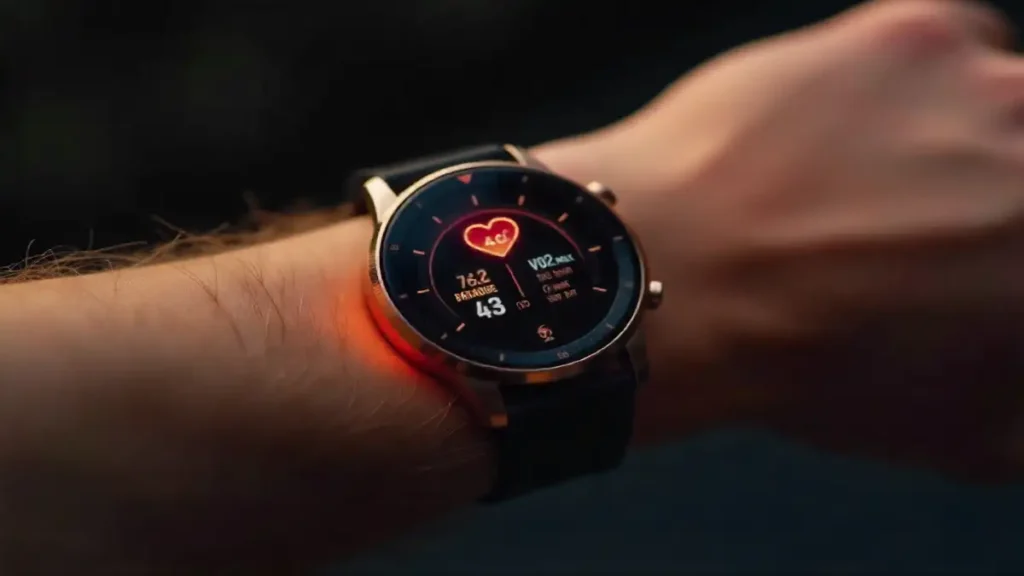
10. VO2 Max Estimation: Your Cardiovascular Fitness Fingerprint
This might be the most sophisticated metric your wearable calculates. VO2 Max represents your body’s maximum ability to consume oxygen during exercise—traditionally measured only in specialized labs with expensive equipment.
Modern wearables estimate this using your heart rate response during activities, and the accuracy has become genuinely impressive. During comparative testing between wearable estimates and actual lab measurements, devices like the Garmin Fenix series and Polar Vantage models showed remarkable accuracy, often within 5-10% of professional lab results.
The Bigger Picture: What This Data Actually Means
Here’s what I’ve learned after months of living with this constant stream of physiological data: the real value isn’t in any single metric, but in understanding the relationships between them. Your HRV might be low, but if your sleep was solid and your stress levels are normal, it might just mean you need an extra cup of coffee. If multiple metrics are trending downward, that’s when you pay attention.
The most successful users I’ve observed don’t obsess over daily fluctuations. Instead, they focus on weekly and monthly trends, using the data to make gradual lifestyle adjustments rather than dramatic daily changes.
Dan’s Verdict: The Future of Personal Health Monitoring
We’re witnessing the democratization of health data that was previously available only in clinical settings. While these devices aren’t medical diagnostic tools, they’re providing unprecedented insights into our daily physiological patterns.
For tech enthusiasts and health-conscious individuals, modern wearables offer genuine value beyond basic activity tracking. The key is choosing a device that excels in the metrics most relevant to your health goals and learning to interpret the data contextually rather than obsessing over daily numbers.
The next frontier? I’m already testing early versions of wearables that monitor glucose trends, hydration levels, and even early illness detection through subtle pattern changes. The laboratory on your wrist is just getting started.
For most users, I’d recommend starting with one comprehensive device rather than trying to track everything at once. Get comfortable with the basics—sleep, stress, and recovery metrics—then gradually expand your understanding as these insights become part of your daily routine. Your body is already telling you everything you need to know; now you finally have the tools to listen.
