

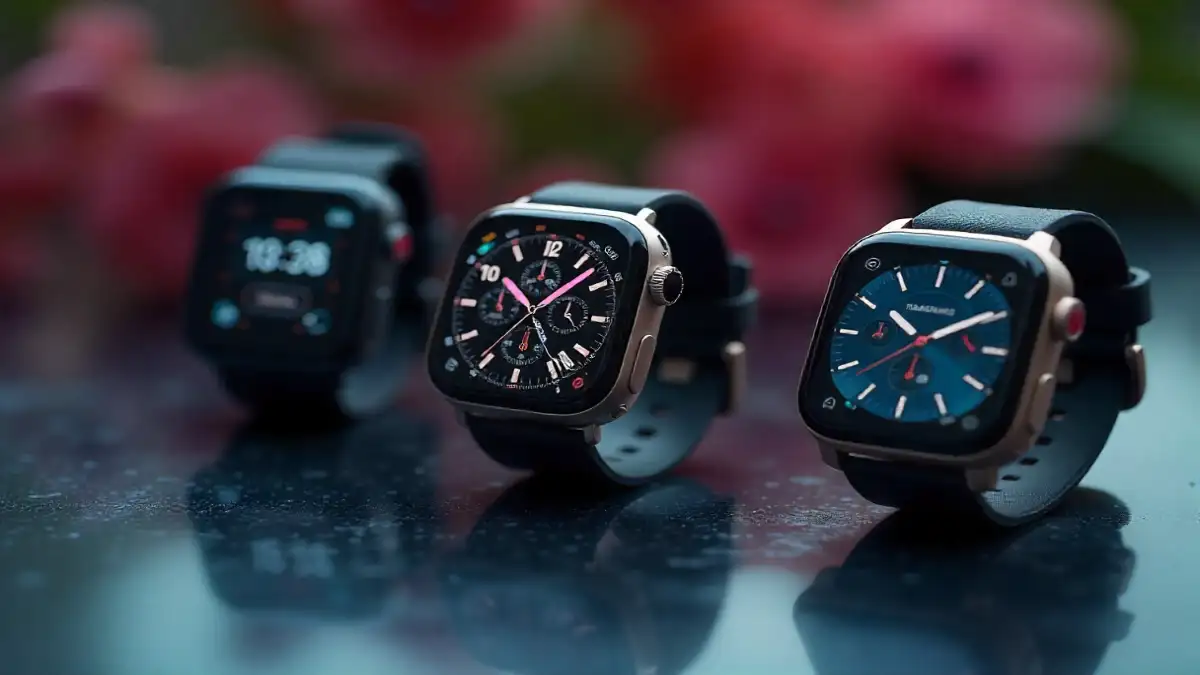
Did you know that over 100 million smartwatches were sold worldwide in 2022, with Apple, Samsung, and Google leading the charge?
Choosing the right smartwatch can be overwhelming, given the numerous options available. This article aims to simplify your decision-making process by comparing the latest offerings from these tech giants.
You’ll get an in-depth look at the features, pros, and cons of each device, helping you make an informed decision that fits your lifestyle.
By the end of this ultimate smartwatch guide, you’ll be equipped to choose the perfect smartwatch that meets your needs.
Understanding Today’s Smartwatch Landscape
Today’s smartwatch market is a vibrant ecosystem, shaped by technological advancements and shifting consumer preferences. As you navigate this landscape, understanding its evolution and the key players involved can help you make an informed decision.
The Evolution of Wearable Technology
Wearable technology has come a long way since its inception. From simple pedometers to sophisticated smartwatches, the evolution has been remarkable. Advancements in sensor technology, battery life, and user interface design have transformed the way we interact with these devices. Today, smartwatches are not just about telling time; they offer a wide range of features that cater to various aspects of our lives, from health and fitness tracking to smart notifications and beyond.
Key Players and Their Market Positions
The smartwatch market is dominated by a few key players: Apple, Samsung, and Google. Each of these companies brings its unique strengths to the table. For instance, Apple’s Watch series is renowned for its seamless integration with iOS devices, while Samsung’s Galaxy Watch series offers a wide range of models catering to different consumer preferences. Google’s Pixel Watch, on the other hand, represents a fresh entrant with a focus on integrating Google Assistant and other Google services. Understanding the strengths and weaknesses of each brand’s offerings is crucial in making a well-informed purchase decision.
How to Approach Your Smartwatch Decision
When choosing a smartwatch, consider your specific needs and preferences. Are you looking for a device that tracks your fitness activities, or one that integrates well with your smartphone? Here are some key factors to consider:
- Compatibility with your smartphone operating system
- Battery life and charging capabilities
- Health and fitness tracking features
- Design and build quality
- Additional smart features such as GPS, NFC, and music playback
By weighing these factors, you can narrow down your options and select a smartwatch that best fits your lifestyle.
Design and Hardware Comparison
The Apple Watch, Samsung Galaxy Watch, and Google Pixel Watch each boast unique design elements and hardware features that set them apart. When choosing a smartwatch, understanding these differences is crucial to making an informed decision that suits your style and needs.
Apple Watch Design and Build Quality
The Apple Watch is renowned for its sleek, minimalist design and premium build quality. Available in various materials, including aluminum and stainless steel, it offers a luxurious feel. The watch’s durability is enhanced by its water resistance, making it suitable for various activities.
Key Features: Always-on display, seamless integration with iOS devices, extensive customization options.
Samsung Galaxy Watch Design and Build Quality
The Samsung Galaxy Watch stands out with its rotating bezel and vibrant display. It is available in multiple sizes and offers a robust build that includes a titanium model for added durability. The watch is also water-resistant and features a long-lasting battery.
Notable Features: Rotating bezel for navigation, compatibility with both Android and iOS devices, comprehensive health tracking features.
Google Pixel Watch Design and Build Quality
The Google Pixel Watch combines simplicity with functionality, featuring a circular display and a design that is both elegant and understated. It is designed to work seamlessly with Android devices, offering a clean and intuitive user experience.
Key Features: Smooth integration with Google services, personalized assistant, integration with Google Fit.
Display Technology and Quality Comparison
All three smartwatches offer high-quality displays, but they differ in technology and features. The Apple Watch uses OLED technology, providing vibrant colors and deep blacks. The Samsung Galaxy Watch also utilizes an OLED display, known for its brightness and color accuracy. The Google Pixel Watch features an OLED display that is bright and responsive.
| Smartwatch | Display Type | Resolution | Always-on Display |
|---|---|---|---|
| Apple Watch | OLED | High-resolution | Yes |
| Samsung Galaxy Watch | OLED | High-resolution | Yes |
| Google Pixel Watch | OLED | High-resolution | Yes |
When comparing these smartwatches, it’s clear that each has its strengths in design and hardware. Your choice will depend on your ecosystem preferences and specific needs.
The Ultimate Comparison: Apple Watch vs. Samsung Galaxy Watch vs. Google Pixel Watch Ecosystems
In the world of smartwatches, the ecosystem is king, and today we’re diving into how Apple Watch, Samsung Galaxy Watch, and Google Pixel Watch stack up against each other.
When it comes to choosing a smartwatch, the ecosystem is a critical factor. It’s not just about the device itself, but how it integrates with your other gadgets and enhances your digital life. Let’s explore the strengths and weaknesses of each ecosystem.
Apple watchOS and iOS Integration
Apple’s watchOS is renowned for its seamless integration with iOS devices. If you’re deeply invested in the Apple ecosystem, the Apple Watch is a natural choice. You can enjoy features like effortless pairing, universal clipboard, and shared albums between your iPhone and Apple Watch.
Key Features:
- Automatic detection and setup
- Streamlined notifications
- Health and fitness tracking integration
Samsung Wear OS and One UI Experience
Samsung’s Wear OS, combined with One UI, offers a robust experience for Android users. While it may not be as seamless as Apple’s ecosystem, Samsung’s smartwatches provide a wide range of compatibility with various Android devices.
Key Features:
- Compatibility with a wide range of Android devices
- Customizable watch faces
- Integration with Samsung Health and other Samsung apps
Google’s Pure Wear OS Experience
Google’s Pixel Watch runs on Wear OS, offering a clean and intuitive experience. Google has been enhancing Wear OS to be more independent of Android, making it a versatile choice for users across different platforms.
Key Features:
- Improved standalone functionality
- Seamless integration with Google services
- Enhanced fitness tracking features
| Ecosystem | Key Features | Compatibility |
|---|---|---|
| Apple watchOS | Effortless pairing, universal clipboard, shared albums | iOS devices |
| Samsung Wear OS | Customizable watch faces, Samsung Health integration | Android devices |
| Google Wear OS | Standalone functionality, Google services integration | Android and iOS devices |
As you consider your next smartwatch, think about which ecosystem aligns best with your lifestyle. Whether you’re an Apple enthusiast, a Samsung loyalist, or a Google fan, understanding the strengths of each ecosystem will help you make an informed decision.

Health and Fitness Tracking Capabilities
The latest smartwatches from Apple, Samsung, and Google have revolutionized health and fitness tracking with advanced features and precise monitoring capabilities. As you consider choosing the right smartwatch, understanding their health and fitness capabilities is crucial.
Heart Rate, ECG, and Advanced Health Monitoring
All three smartwatches offer continuous heart rate monitoring and ECG features. The Apple Watch and Samsung Galaxy Watch provide advanced health monitoring, including fall detection and emergency SOS. The Google Pixel Watch also offers similar features, leveraging Google’s health and fitness services.
Sleep Tracking and Analysis Features
Sleep tracking is a vital feature for many users. The Apple Watch offers detailed sleep analysis through watchOS, while the Samsung Galaxy Watch provides similar insights using its Wear OS platform. The Google Pixel Watch, with its integration with Fitbit data, offers comprehensive sleep tracking features.
Workout and Activity Tracking Comparison
When it comes to workout and activity tracking, each smartwatch has its strengths. The Apple Watch is renowned for its workout app and GPS tracking. The Samsung Galaxy Watch offers a variety of workout modes and integrates well with Samsung Health. The Google Pixel Watch, with its Fitbit integration, provides robust activity tracking and personalized insights.
Health Data Management and Third-Party App Support
Effective health data management is key to a seamless user experience. The Apple Watch integrates well with the Health app on iOS, while the Samsung Galaxy Watch uses Samsung Health. The Google Pixel Watch benefits from Fitbit’s health data management capabilities, and all three support various third-party health and fitness apps.
As you evaluate these top smartwatch brands, consider which health and fitness features are most important to you. Each smartwatch offers unique benefits, so aligning your needs with their capabilities is essential.
Smart Features, Battery Life, and Value
When choosing a smartwatch, it’s crucial to consider the smart features, battery life, and overall value it offers. The Apple Watch, Samsung Galaxy Watch, and Google Pixel Watch each bring their unique strengths to the table, making this decision both exciting and challenging.
Connectivity Options and Smart Assistant Integration
The connectivity options and smart assistant integration are vital components of a smartwatch. The Apple Watch seamlessly integrates with Siri, allowing for effortless task management and information retrieval. The Samsung Galaxy Watch supports Bixby, Google Assistant, and Samsung’s own voice assistant, offering flexibility. Meanwhile, the Google Pixel Watch is deeply integrated with Google Assistant, providing a robust and intuitive experience.
Smart assistant integration can significantly enhance your smartwatch experience, enabling features like notification management, music control, and more. When comparing these watches, consider which smart assistant aligns best with your existing ecosystem.
Battery Life and Charging Capabilities
Battery life is a critical factor, with each watch offering different capabilities. The Apple Watch typically requires daily charging, though the Series 7 and later models offer improved battery life. The Samsung Galaxy Watch can last up to several days on a single charge, depending on the model and usage. The Google Pixel Watch generally needs daily charging, similar to the Apple Watch.
Charging capabilities also vary, with some models supporting fast charging. For instance, the Samsung Galaxy Watch offers fast charging, which can be a significant advantage for those with busy lifestyles.
App Ecosystem and Third-Party Support
The app ecosystem is another crucial aspect, as it determines the versatility and customization options available to you. The Apple Watch has a vast App Store with a wide range of apps. The Samsung Galaxy Watch utilizes the Google Play Store, offering a similarly broad selection. The Google Pixel Watch also benefits from the Google Play Store, ensuring a diverse app ecosystem.
When evaluating these smartwatches, consider the availability of your favorite apps and the overall quality of the app ecosystem.
Price-to-Feature Analysis
Finally, assessing the price-to-feature ratio is essential. The Apple Watch tends to be on the pricier side, with prices varying by model and material. The Samsung Galaxy Watch offers a range of models at different price points, providing options for various budgets. The Google Pixel Watch is competitively priced, though it’s still a premium device.
When making your decision, weigh the features against the cost to determine which smartwatch offers the best value for your needs.
Conclusion: How to Choose the Right Smartwatch for Your Lifestyle
Now that we’ve explored the Apple Watch, Samsung Galaxy Watch, and Google Pixel Watch in depth, it’s time to decide which one is right for you. This wearable tech showdown has highlighted the unique strengths and weaknesses of each device, providing the ultimate smartwatch guide to help you make an informed decision.
Consider your ecosystem: if you’re deeply invested in the Apple ecosystem, the Apple Watch is a natural choice. For Samsung users, the Galaxy Watch offers seamless integration. Google Pixel Watch users will appreciate the pure Wear OS experience.
Think about your priorities: if health and fitness tracking are key, compare the features of each watch. If smart features and battery life are more important, weigh these factors against your needs.
Ultimately, the right smartwatch for you will depend on your lifestyle, preferences, and needs. By considering these factors and using this ultimate smartwatch guide, you’ll be able to choose the perfect wearable companion to enhance your daily life.
